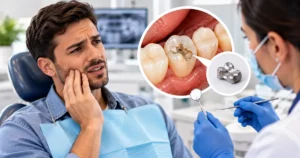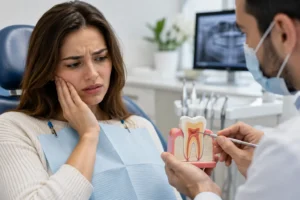
Enamel is like a companion you often delay appreciating until it’s gone. If you don’t sense sensitivity to hot and cold, credit goes to your tooth enamel. The least you can do is protect it from damage and sensitivity. Ignorance can take a costly toll on your oral health because once the enamel is gone, it’s hard to restore.
Before your teeth are exposed to sensitivity once and for all and your bundle of ” whys ” turn into ‘’because I practised this!’’, learn how to protect tooth enamel. Strengthen your dental relationship with the strongest substance, enamel, to improve the longevity of your teeth. Let’s take this enamel-related guide and detail a way forward to healthy and protected oral life.
What is Teeth Enamel? | An Overview
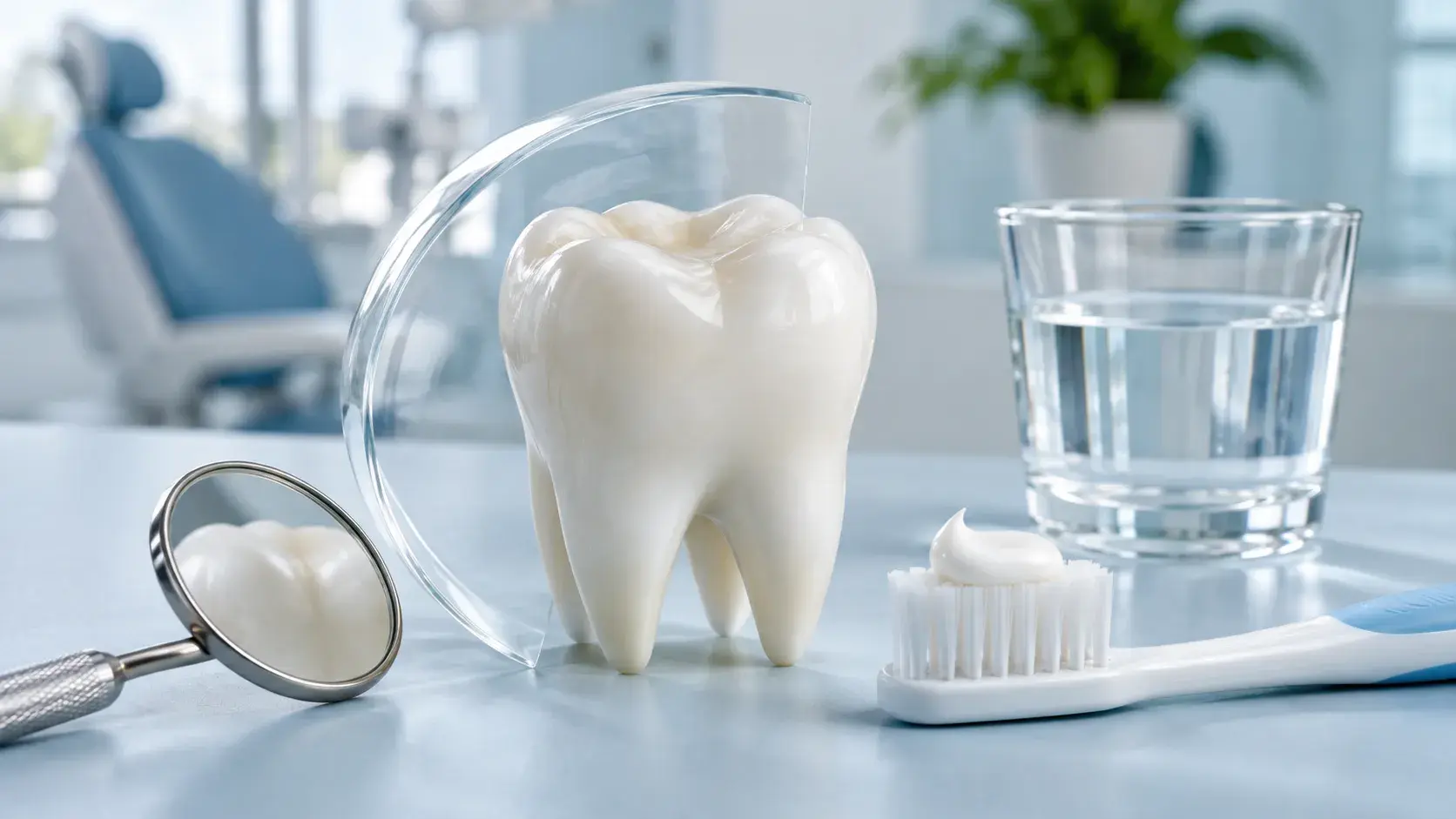
Patients visit dentists with different dental conditions, knowing nothing about what enamel in teeth is. Understand it thoroughly for better care and protection. Dental enamel is the hardest layer of the tooth. Basically, the layer right above the gums is enamel.
Though the enamel is sleek and thin, it is ultra-strong. Its strength can be fathomed as if the dentist has to prepare your tooth for a dental crown or other restoration; a high-grade hand piece or even laser technique is used for precision.
What is Tooth Enamel Composed Of?
Tooth enamel contains almost 95% inorganic substances, including acid-soluble phosphate, hydroxyapatite, calcium, sodium, magnesium and phosphorus. The strongest part of the tooth, called enamel, is up to 2.5 millimetres thick. This measured thickness is not uniform in every person and every tooth.
What is the Importance of Teeth Enamel?
Enamel plays multiple roles in the effective functioning of teeth and overall oral health.
- Enamel works as a first line of defence for your teeth against cavities and other bacterial attacks, especially the tissues within the pulp chambers.
- No enamel, or slightly or severely damaged enamel, means exposure to intrinsic and extrinsic attacks.
- This strongest substance in the human body, enamel protects your teeth against sensitivity and decay.
- Dental health relies on enamel, as it plays a front line role in effective chewing, smooth digestion and an aesthetic smile.
- Enamel prevents discolouration or visible yellowish dentin to maintain the overall appearance.
- Strong and healthy enamel avoids a rough or pitted texture on the tooth surface for better oral hygiene and protection.
- It maintains the overall dental structure, and its erosion exposes it to frequent chips and cracks.
Why Does Tooth Enamel Erosion Occurs?
No matter how strong the enamel is, damage is still possible. Multiple factors actively promote its erosion and wear down this outer protective layer over time.
-
Abrasion
It is the use of abnormal external force on teeth. Hard brushing, toothbrushes with hard bristles, and highly abrasive toothpaste are external contributors to enamel damage.
-
Acidic and Sugary Edibles
Soft drinks, soda, sports drinks, sugary processed items and vinegar-soaked foods are highly damaging to enamel. Sugar supports bacterial growth in the mouth and acid production as a byproduct. Exposure to harmful chemicals erodes the mineral structure – enamel.
-
Dry Mouth
Saliva plays a significant role in neutralising acids and also removes stuck food particles easily. Dry mouth, either by dehydration or excessive medication affects saliva flow and boosts the risk of enamel erosion.
-
Bruxism
Grinding your teeth in sleep and chewing ice with force not only causes bite misalignment but also distributes pressure across the tooth surface. The consistent behaviour can weaken the enamel, leading to permanent damage.
-
Acidic Reflux
Stomach acids are far more damaging to tooth enamel than any other food or drink. How? GERD or other stomach-related conditions, such as frequent vomiting, can cause serious damage to enamel.
How to Restore Tooth Enamel?
If you notice decalcification of your teeth, you need dental attention to remineralise and restore strength. There are certain steps to follow.
- Modify dietary habits.
- Use a medically recommended toothpaste.
- Lean on dental treatment options (composite filling, porcelain inlay/onlay, veneers, dental crown, and root canal).
How to Protect Tooth Enamel?
Luckily, different enamel protection methods help to avoid severe erosion and the point of no return.
-
Daily Brushing and Flossing
Try to brush twice a day, if not after every time to eat, and floss once a day. An electric toothbrush is a modern DIY method to clean your teeth thoroughly.
-
Diet Evaluation
Cut all junk, sugary and acidic food items from your diet; pause or reduce their intake to avoid chemical interaction with your tooth enamel.
-
Avoid Brushing Right After Eating
After consuming sugary or acidic foods or drinks, wait for almost 30 minutes, then brush your teeth. Your tooth surface temporarily softens, and immediate brushing can affect the minerals.
-
Stay Always Hydrated
Sugar-free chewing gum and plenty of water help saliva production to naturally rebalance pH levels. It also helps to protect your enamel.
-
Integrate Nutrient-Rich Foods
Add leafy greens, healthy dairy products, nuts and essential proteins to your diet to improve remineralisation. These dietary nutrients replenish the mineral content in teeth to avoid acid effects and strengthen the enamel.
-
Dental Visits for Fluoride Treatments
Fluoride protects teeth against acid attacks. There are different fluoride-based mouth rinses and toothpastes to provide necessary support. Regular checkups and fluoride-specific treatments also help to protect enamel.
Oral health largely surrounds friendly enamel and its erosion gives birth to a plethora of problems. If you are practising daily habits to avoid enamel damage and still find any worrisome signs, you should schedule a visit with the Daily Smiles team for tailored strategies and treatment plans.