A dead tooth will not always have noticeable pain and can stay in the mouth for months or years. This doesn’t mean that a lack of action indicates health and safety. If the living tissues of a tooth die, the tooth itself can be infected and discolored.
This can have a number of other problems. The early sign of a dead tooth can be identified and thus patients can receive dental treatment early and prevent other problems. Understanding the reason a tooth dies, how long it may stay in the mouth, and its treatments are crucial in the control of oral issues.
At Daily Smiles, we feel that knowing about dental diseases is the initial step to safeguarding your smile. This guide is meant to discuss all aspects of the subject of dead teeth and their treatment.
What Is a Dead Tooth?
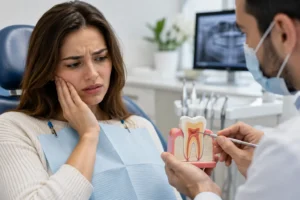
A dead tooth, also called a non-vital tooth, is a tooth that has dead pulp tissue. The soft tissues of the tooth that house the nerves, blood vessels, and connective tissues are called the pulp. If the pulp loses its blood supply, or is severely damaged, the tissue will eventually die.
This is called pulp necrosis. The tissues inside the tooth will be dead, but the outer part may be intact. Sometimes, the tooth will survive for years, especially when getting proper dental treatment. But the dead tooth cannot heal its pulp by itself, and the dentist must be professionally assessed.
How Does a Tooth Die?
To understand how a tooth can die, one must understand the function of the dental pulp. Pulp nourishes and senses the formation of the tooth.
Inflammation of the dental pulp can occur if there is an infection of the tooth pulp or if the blood supply to the pulp is compromised. The blood supply can be compromised due to a deep cavity, trauma, or other factors. Pulp necrosis can occur if the injury to the tooth is deep.
When the injury is severe, the pulp may die.
There are several circumstances that can cause pulp death: In some instances, the process is slow, and early symptoms aren’t noticed.
Common Dead Tooth Symptoms You Should Never Ignore
It is crucial to spot dead tooth symptoms, as dead teeth can have little to no pain.
-
Tooth Discoloration
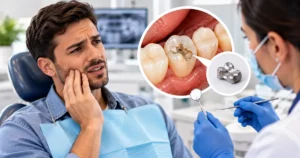
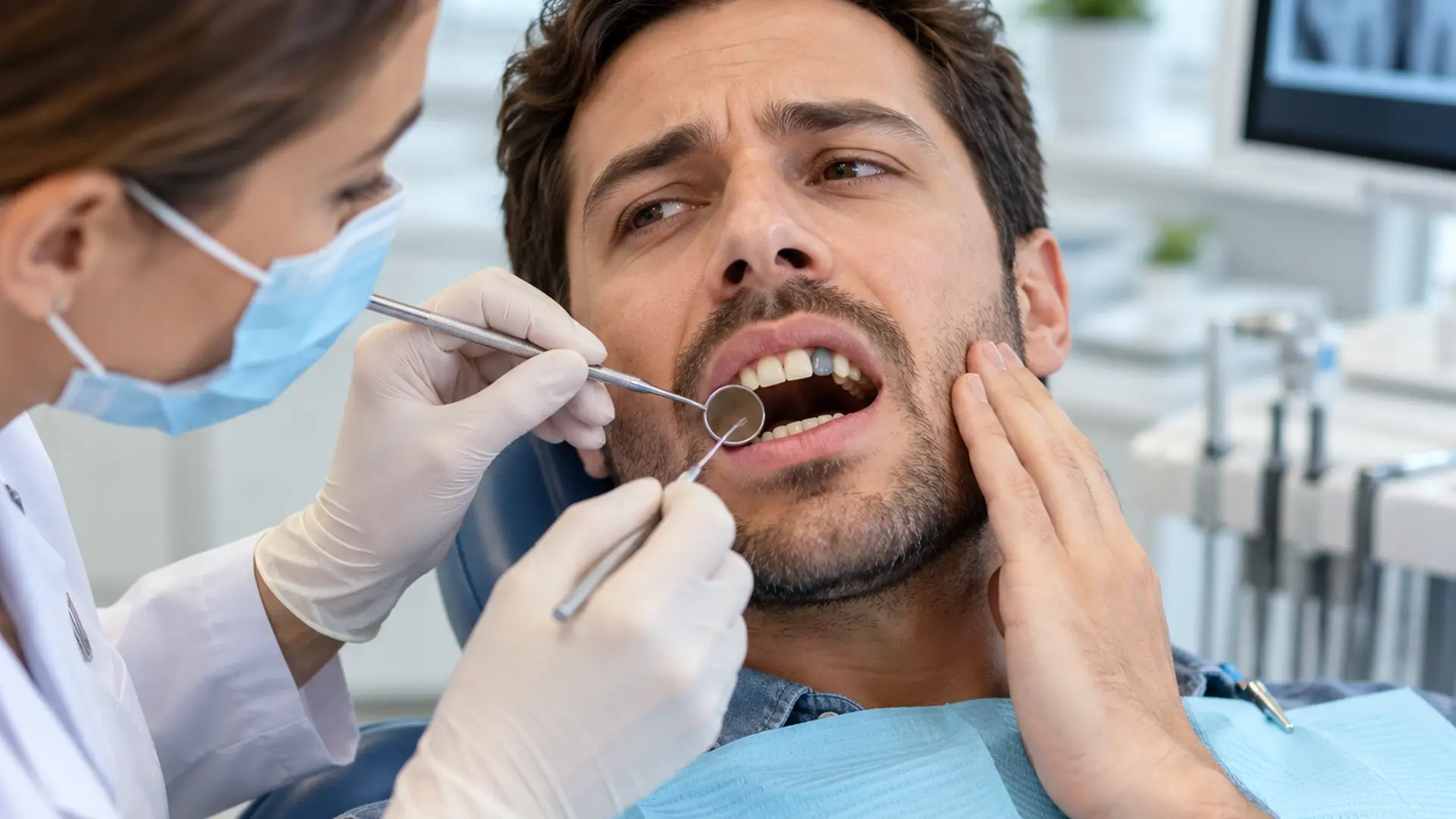
A change in tooth color is one of the notable symptoms. A dead tooth can turn a yellowish, grayish, brownish, or darker color than the other teeth.
This discoloration can occur with internal tissue breakdown or after a trauma to the teeth. But simply discoloring doesn’t mean that the tooth is dead.
-
Persistent Tooth Pain
It is possible for some to experience a severe toothache prior to their pulp dying, which may be caused by inflammation (or pressure on the tissue by infection).
Keep in mind, strangely, the pain might subside after the nerves in the tooth have become dead. Pain is not the problem solved.
-
Swollen or Tender Gums
When there is a lot of swelling around the affected tooth, it may indicate that the infection has spread to the surrounding tissues. Gums may appear red, swollen or feel tender to the touch.
-
Bad Breath or Unpleasant Taste
The infected tooth or teeth might give off a foul taste or foul odor, especially if the abscess drains into the mouth.
-
Pimple-Like Bump on the Gums
If there is a small bump near the affected tooth, this may be a sign of a draining dental abscess.
This symptom should be quickly assessed by a medical professional.
-
Sensitivity or Pain When Biting
A decayed tooth may no longer feel the temperature changes as it did on its healthy days. However, if its root is inflamed, it will be painful to chew on or apply pressure to it.
These dead tooth symptoms are like those of other dental issues, so a dentist will need to examine the tooth to see if it is dead.
What Causes a Dead Tooth?
There are numerous reasons for the damage of the pulp and death of the tooth. “Learning the reasons for a dead tooth can help to minimize preventable risks.
Poor oral hygiene is a big problem because, if left untreated, cavities can penetrate to deeper parts of the tooth.
Physical injuries are also often a cause. The vessels in a tooth can become damaged even if the tooth is not broken in an accident.
Other factors can also be untreated cracks, dental infections that are getting worse, and repeated trauma due to grinding or jaw clenching.
Regular dental check-ups and early cavity treatment can help prevent some of the cases of pulp necrosis.
How Long Can a Dead Tooth Stay in Your Mouth?
If you don’t treat a dead tooth, you may experience a few complications.
A dental abscess is a pocket of pus around the root of a tooth caused by infection, among other possibilities.
This infection can destroy bones, leave gums swollen, result in pain, or cause a sinus tract.
Sometimes the tooth may be structurally weak already, particularly when there is significant decay or damage already.
Sometimes a dental infection can extend into the soft tissue surrounding the face or neck and result in a serious medical emergency. Swelling of the face, fever, or a problem with swallowing and breathing is a medical emergency.
Dead Tooth Treatment: Can the Tooth Be Saved?
Treatment of a dead tooth will vary according to the condition of the tooth, the degree of the tooth damage, and the ability to restore the tooth.
Root Canal Treatment
When it’s possible to save the tooth, root canal therapy might be recommended.
During the procedure, the dentist will take out the diseased or infected pulp tissue, clean and disinfect the root canals, and close the opening.
The tooth can then be filled and covered with a crown so that it is not further damaged.
Tooth Extraction
If the tooth has serious breakage and a significant amount of decay that can’t be treated effectively, the tooth may require extraction. Replacement of the extracted tooth may come in the form of dental implants, bridges, or removable dentures.
Cosmetic Restoration
If the tooth has become dark following the death of the pulp, it may be improved cosmetically following treatment of the dental disease.
Depending on the case, it might be possible to use either internal whitening, bonding, or a dental crown. Treatment depends on the results of your exam and dental X-rays of your condition.
How Can You Prevent a Tooth from Dying?
There are a few things that you can control to help stop this from happening.
To help control this, you want to brush your teeth at least twice a day with a fluoride toothpaste and help floss once a day. You’re also going to want to limit how often you eat or drink sugary things and help schedule regular visits to the dentist.
Also, there are protective mouth guards you can wear to help protect your teeth in some contact sports.
When Should You Visit a Dentist?
You want to go see the dentist to help get your tooth worked on if you have any kind of persistent tooth pain, or the tooth has become discolored or swollen or has cracked.
Dentists will do an exam to help see how healthy the pulp is. They can do this by using an X-ray or a temp test or a percussion test.
Here at Daily Smiles, we enjoy and want our patients to enjoy the benefits of preventative dental care and to help see any unusual symptoms in your mouth as quickly as possible. This can help you to have and keep your natural teeth.
Final Thoughts
It can be quite surprising how long a dead tooth can stay in the mouth. But it’s not recommended to do nothing about it. Pain or the lack of it doesn’t mean the tooth is in good condition and infection-free.
Understanding the condition of a dead tooth, its symptoms, when to see a dentist with a dead tooth, and how to deal with a dead tooth can save the day. This way you can maintain your oral health in the long term.
Many examples can be given of a non-vital tooth that was properly and timely treated and has been around for many years. It is essential to seek expert advice to determine and resolve the problem.
That’s why we created Daily Smiles to help you hang onto your smile.
- When the infection in the tooth is not treated, it can lead to pulp necrosis.
- Further dental treatment and multiple dental procedures could also cause damage or irritation to the pulp.
- Additionally, cracks in the teeth can permit bacteria to enter the pulp.
- Damage to blood vessels supplying a tooth can be caused by a hard fall or injury.
- Untreated and severe tooth decay or cavities may expose the pulp.