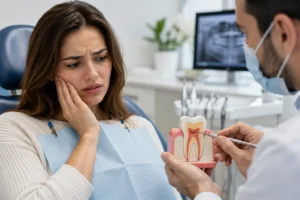

A wholesome meal might be enticing after a long journey at the dentist’s office, and post-extraction feels like a sigh of relief, but the journey does not end here. Healing from tooth extraction is followed by instructions, especially regarding diet. Knowing about the diet and what to eat after tooth extraction significantly supports healing.
Dentists suggest soft foods in the first few days to aid healing without stressing the extraction site. Hard, crunchy, spicy and very hot foods may interrupt healing or interact with the blood clot in the extraction socket. This comprehensive guide is about a dentist-approved diet to make recovery smooth and comfortable.
Why Diet Matters After Dental Extraction
Dental procedures are of different types, and tooth extraction is one of them. Explore the importance of a precautionary diet after extraction.
- The choice of food ingestion after extraction plays a key role in socket recovery after a tooth is removed.
- Some foods are soft while others may disturb the extraction area or lead to dental infection.
- After extraction, your jaw and entire oral area may feel sore. Your oral health recovery requires a careful diet to avoid irritation.
- The use of soft foods to eat after tooth extraction supports healing the open wound and surrounding gums.
- Food that requires minimal chewing and is unlikely to scratch and press against the socket makes eating comfortable.
- A clinical report explains that intake of sugary food and drinks may unleash oral issues or even bacterial infection.
- Essential vitamins and minerals are potent for surrounding gum tissue repair.
- Hydrated foods keep your mouth moist and also facilitate the repair process.
Why Are Soft Foods Recommended?
Dentists recommend soft foods after dental surgery for the following positive outcomes.
- Soft foods after the procedure not only support oral recovery but also make eating comfortable.
- Choosing a soft diet supports pain management and prevents other oral complications.
- Soft and nutritious food prevents deficiencies that may extend the healing period.
- It also provides enough support to the body it needs to heal effectively.
What Are the Doctor-Recommended Foods After Dental Extraction?
While the soft foods may seem limited in variety, there is still a range of tasty and nutritious foods that don’t require much chewing. The American Dental Association recommends soft, easy-to-chew foods as the safest options to aid recovery. Let’s take a view of nutrient-rich choices added with essential minerals and vitamins for proper healing.
Soft and Easy to Eat
Stick to soft foods that soothe the extraction socket, require less chewing and provide nourishment without discomfort.
- Scrambled or boiled eggs
- Mashed potatoes
- Well-cooked pasts
- Applesauce
- Smooth soups
Protein-Packed Diet
Foods containing protein are the best things to eat after tooth extraction because they aid tissue repair. Tough meals need extra chewing. Here are some soft and protein-dense alternatives.
- Cream or cottage cheese
- Greek yogurt
- Soft fish like Salmon
- Blended or soft tofu
Hydrating Food Options
Hydration is essential for proper recovery of the extraction socket. Not all drinks are soothing for gums. Here are some gentle, non-carbonated options.
- Smoothies and shakes
- Coconut water
- Lukewarm broths
Micronutrient-Rich Foods
A nutrient-rich diet including vitamin A, vitamin C, and potassium aids healing. After tooth removal, the following are soft, vitamin-rich foods effective for recovery.
- Soft bananas
- Steamed vegetables
- Avocados
- Oatmeal
The temperature of the foods you eat affects the healing process. For instance, hot beverages can further irritate the gum tissues.
What Are the Foods Not to Eat After Tooth Removal?
If you don’t want to interrupt the healing process, be careful about the foods that should be avoided.
Crunchy or Hard Foods
Such foods are hard on the gums and may affect the healing clot in the extraction socket.
- Nuts and seeds
- Crackers and hard bread
- Raw vegetables
- Chips and pretzels
Acidic or Spicy Foods
Avoid irritation-causing foods. Such food items are harsh, promote sensitivity and prolong healing.
- Citrus fruits like lemons
- Spicy sauces and chilli peppers
- Vinegar-based dressings
Sticky and Chewy Foods
Sticky foods easily get trapped in the extraction area, which may lead to discomfort. The food particles that are stuck and not pulled out through proper cleaning during the healing process may stay in the extraction socket and cause infections. Avoid these foods as defined below.
- Chewy candy and caramel
- Leathery meats and sticky rice
- Edible gum
How Long Should You Eat a Soft Diet After Tooth Extraction
Patients are often fed up with strict diet patterns. If you want to know how long to wait to eat after tooth extraction and depend on soft foods, this section is all about that. This actually depends on the time the extraction site takes to recover. Some people start eating hard foods after a few days, while others need to wait longer. Follow the guide to avoid discomfort and other complications.
- First 24–48 hours: This is the most critical time for healing. Try to depend on liquids and consume very soft foods.
- Days 3-7: Slowly introduce your oral senses to a slightly firmer soft diet that doesn’t require much chewing, such as soft pasta and soft cooked veggies.
- After A Week: Some patients can directly consume solid foods after seven days. The suggested option is to avoid hard foods until the extraction socket has fully healed.
Tips for Safe Eating After Tooth Extraction
- Avoid a straw while drinking water or other beverages.
- Drink enough fluid, as it is helpful for healing, but sip gently.
- Chew on the opposite side of the mouth.
- Take small food bites and chew gently.
- Keep foods at the optimum temperature to avoid sensitivity.
When to Contact Your Dental Expert?
- Signs of redness or swelling around the extraction area.
- Fever, chills, and a foul taste in the mouth are severe signs of infection.
- Bleeding that does not stop or reduce within the first 24-hours of extraction.
- Persistent pain, chewing difficulty and over-sensitivity exist even after several days following tooth extraction.
All these signs are attention-grabbing. This requires you to consult a professional dentist for the best course of action. When you know the right diet pattern after tooth removal, the healing process is comfortable without causing any dental complications.