
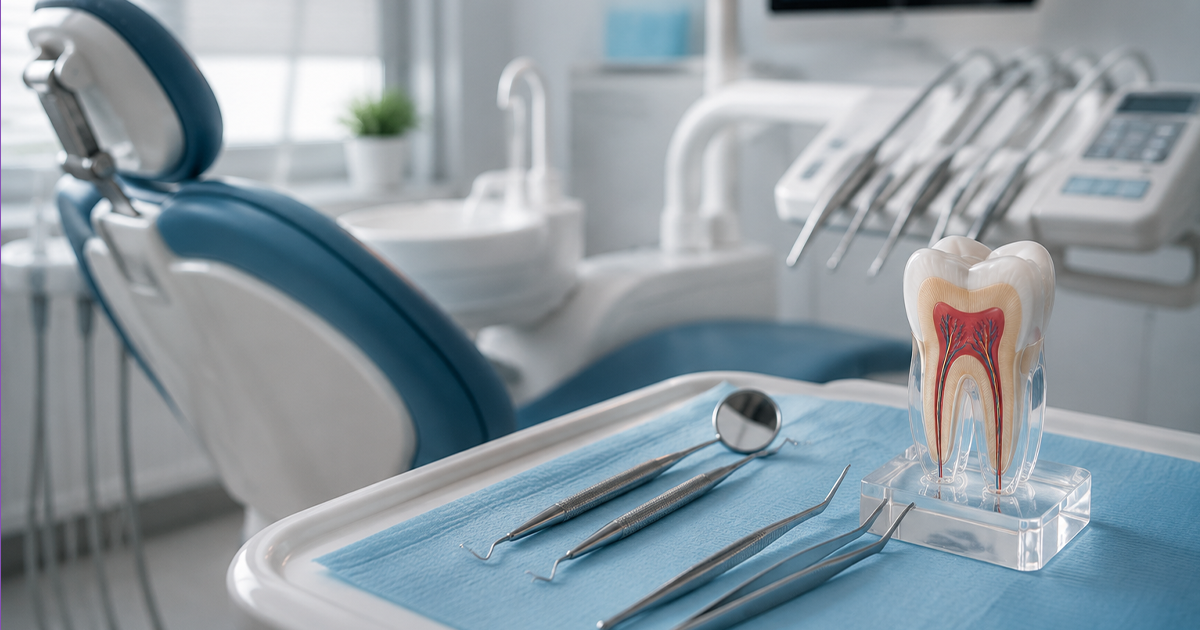
If your doctor suggested a root canal, chances are the first thought made some of you cringe. Is this really hurting? The widespread thoughts about root canal treatment, which spark uncertainty and fear among patients due to misconceptions, also build a safe ground for its effectiveness in saving natural teeth if performed expertly. Despite various misconceptions about root canals, it remains one of the most effective options to remove any inflamed or infected pulp from the root without causing any exaggerated pain. Before jumping into panic mode, let’s separate myths from facts.
Explore Root Canal Treatment
The root canal process is also pronounced as endodontic treatment. Root canal is not that scary, but it’s a lifesaver when it comes to treating a damaged tooth. This treatment is designed to eliminate the bacterial-infected pulp from the root. The pulp is basically the area which contains sensitive nerves, and soft connective tissues. Overly decayed, cracks and debris turn it inflamed.
Negligence may incubate infection, leading to severe pain and even tooth loss. The role of the root canal procedure is to clean the pulp from inside the infected tooth, fill and seal the tooth from further damage. The top layer of the tooth is covered with a dental crown for further strength and better functionality. This is how you can save your natural tooth.
Debunking Common Root Canal Fictions
Let’s explore some of the critical root canal myths and signs that you need to understand to gain confidence for this dental procedure.
Myth 1: Root Canals are Painful
This is a common fiction about root canal procedure but advanced techniques and anaesthesia reduce the likelihood of more pain. People often feel more at ease with painful dental fillings rather than experiencing a short span of discomfort caused by a safe dental procedure.
Myth 2: Tooth Extraction a Right Option than Root Canal
Saving your original tooth should be the first priority when possible. Tooth extraction seems to eradicate the problem, but it results in bone loss, misalignment of neighbouring teeth, and costly missing teeth replacements such as implants. On the contrary, root canal therapy works as a saviour while preserving the natural tooth with a normal outlook and functionality.
Myth 3: Root Canal Causes Illness
This myth originated from an old study that has been completely rejected by the AAE. There is no science-based evidence available linking root canals to overall systemic health issues. In reality, untreated dental infections are a greater risk to overall health.
Myth 4: Root Canals Demand Multiple Long Visits
The fact explains that most root canal procedures take one or two official visits, depending on the infection level and severity of the case. Advanced dental tools and techniques, including rotary endodontics and digital imagery, have reduced the time and streamlined the process.
Myth 5: After Root Canal No Dentist Visits Required
Once the process is finished, you still need your dentist’s assistance. A temporary filling that is placed after the pulp has been removed for tooth pain relief and for the root protection from infection. This filling lasts for a short time, and for a permanent filling or top crown cover, you need to visit your dentist again. The recommended checkups allow timely detection of any dental issues.
Myth 6: Root Canal Benefits are Short-lived
An effective and successful root canal procedure lasts for a lifetime. If the tooth structure and roots remain intact, perfect oral hygiene and regular dental checkups promise prolonged results of the treatment.
Myth 7: Root Canal Eliminates Roots of the Tooth
This is a misconception, and the fact explains that once the pulp is eliminated, the tooth remains active, nourished by the neighbouring tissues. A restored tooth with a crown over it for tooth preservation functions like a natural, healthy tooth.
Signs to Choose Root Canal
If you feel the following signals, you might need root canal therapy before it’s too late.
- Severe swelling around the gums and face
- Persistent sensitivity and tooth pain
- An apparently darkened or discoloured tooth
- Bumpy gums can be potentially due to an abscess.
Expectations During a Root Canal Treatment
- The dentist takes X-rays of the infected tooth to understand the damage extent.
- A local anaesthesia, a numbing agent, is used to ensure a comfortable experience.
- By drilling a small opening in the tooth, the dentist removes the infected pulp by thoroughly cleaning and removing the bacteria.
- The dentist fills the space using the tooth compatible filling material to avoid reinfection.
- The final step is to cover the top with the dental crown for tooth safety and functional restoration.
Post Treatment Recovery Tips
- Ensure good oral health.
- Don’t chew on the newly treated tooth.
- Follow your dentist’s instructions and medical prescriptions.
- Follow the scheduled follow-ups to ensure seamless healing.
This is safe to say that root canal is an effective and trusted treatment option to preserve the natural tooth and avoid further dental issues. This insightful guide significantly debunks the root canal-related fictions. Despite the myths, this procedure is relatively hailed for addressing infections and restoring oral health. If you feel tooth pain and persistent sensitivity, visiting Daily Smiles can help you achieve a pain-free smile effortlessly.