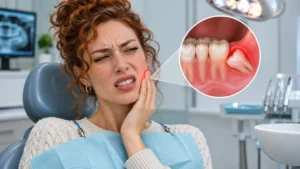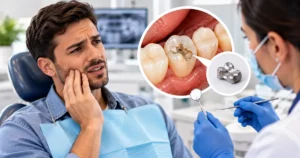
Oral cancer is a disease that can happen on the lips, tongue, mouth, throat, and even inside the cheeks and gums. It is curable if detected early. If you notice anything unusual in your mouth, it may be time to visit your dentist. There can be a host of mouth cancer symptoms, including an unhealing sore, ulcer, pain, a rough area on the gums, or even persistent bad breath. From how to detect mouth cancer early to the treatment options and everything in between, this article covers every detail.
What is Mouth Cancer, Types and Treatments
Oral or mouth cancer is about abnormal multiplication of cells in any area of the mouth. This sudden and uncontrollable growth of cells develops tumours or affects lymph nodes. According to a report published by the American Cancer Society (ACS), almost 60,000 American people will go through an in-depth oral diagnosis for oropharyngeal cancer in 2026. Normally, these diagnostic tests are performed at an average age of 64, but 20% of cases appear before age 55.
Males more suffer through this cancer type than females, and multiple factors contribute to its spread. Oral cancer doesn’t heal itself and often worsens over time. Understanding the types and early symptoms of mouth cancer is crucial before you fall prey to a wrong diagnosis and irrelevant treatment options, considering a cancerous sore as a common wound or oral infection.
-
Squamous Cell Carcinoma (SCC)
Nearly 90% of all cases are related to this type. It generally appears as a small lump, sore, or red/white gum patch. Timely diagnosis makes it easy to cure; otherwise, it may affect surrounding lymph nodes.
-
Salivary Gland Cancer
This is a rare form of mouth cancer that directly affects glands involved in producing saliva. General symptoms include lump formation, intense swelling or pain in the jaw area or mouth. Early surgery or radiation treatment can control its spread.
-
Verrucous Cancer
This is a slow-spreading form of mouth cancer, and it rarely affects other parts of the body. Experts typically suggest surgery for its treatment based on early detection.
-
Lymphomous
This type is more linked to the lymphatic system in the oral area. Patients normally report painless lumps and swelling as early signs. Chemotherapy or radiation can be a potential treatment option.
Here are some types of oral cancers classified based on mouth region.
-
Tongue Cancer
The signs can appear on the front or back side of the tongue. Patients normally experience pain, formation of lumps, or different patches. Surgery, chemotherapy or radiation are different treatment options based on the stage at which it is detected.
-
Lip Cancer
This type typically involves the lower lip of the oral area. Sunlight exposure and frequent tobacco intake contribute to its spread. Minor intervention or radiation can secure good results.
-
Floor of Mouth Cancer
Cancer typically on the floor of the mouth appears under the tongue in the form of ulcers or lumps. This type of oral cancer quickly spreads to the nearby mouth tissues. Surgery and radiation are effective treatment options.
-
Throat Cancer
It largely affects the pharynx or larynx, and patients feel difficulty swallowing or speaking. HPV is a high-risk factor. Common treatment options include radiation, surgery, or chemotherapy.
-
Gum Cancer
This commonly occurring cancer shows its signs as persistent lumps, sores, or bleeding gums. Smoking habits promote risk. Possible treatments include surgery and, in some cases, radiation.
-
Buccal Mucosa Cancer
Lumps or sores in the inner cheeks are the common signs. Chewing tobacco or chemicals containing foods are the key risk factors. Radiation therapy and surgery are possible treatments.
What is Hard Palate Cancer and Symptoms
The roof area of the mouth is known as the palate and hard palate cancer is a less occurring form of cancer. It is classified as the soft palate (toward the throat) and the hard palate (the bony front segment behind the upper teeth). Pain or swelling are common signs, whereas surgery and radiation are recommended treatment options.
The hard palate is a rarely noticed region during routine examination, and tumours can easily go unnoticed here than other types of oral cancer. This reinforces the importance of its early diagnosis for effective treatment. The hard palate cancer symptoms are often mistaken for minor mouth sores or dental irritation, but these common signs should be considered.
- Numbness in the mouth roof area.
- Lump, swelling or rigid patch on the hard palate.
- Ulcer, sore, or discomfort when wearing dentures.
- Pain when eating hot or spicy foods.
- Speech difficulty due to swelling.
What are Diagnostic Methods for Mouth Cancer?
Experienced and professional dentists know several diagnostic approaches to detect mouth cancer.
-
Clinical Examination
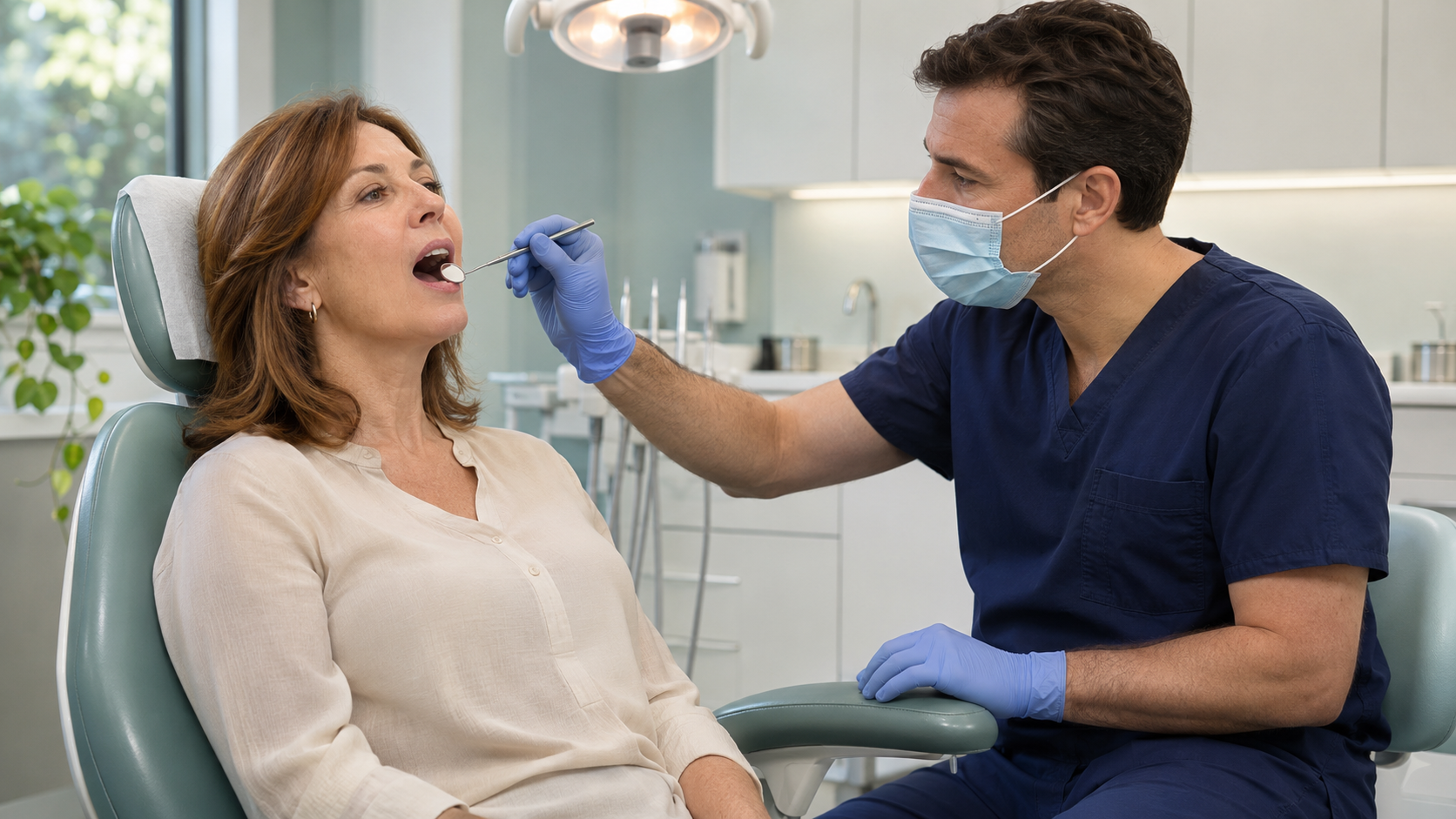
A dentist examines the mouth and surrounding areas, including the head, neck and face, to find the signs of cancer.
-
Brush Biopsy
A scraping approach is used to gently take cells from the afflicted area to examine for cancer.
-
Incisional Biopsy
A small tissue segment or sample is acquired from the affected area for laboratory checking.
-
Diagnostic Imaging
Different imaging tests are available, such as CT scans, PET, or MRI to determine the size and scope of the mouth cancer.
-
Laryngoscopy or pharyngoscopy
Mirrors or other relevant objects help closely examine the tongue base, throat, and voice box for effective diagnosis.
There are different stages of mouth cancer measured using the TNM system.
- T (Tumour): Tumour size
- N (Nodes): Nearby lymph nodes spread
- M (Metastasis): Spread to distant parts
Stage 0: Abnormal cells are present but away from deeper tissues.
Stage 1: Tumour is 2cm or less, not spread.
Stage 2: Tumour is more than 2cm but not larger than 4cm, still not spread.
Stage 3: Larger than 4cm and has reached one of the lymph nodes.
Stage 4: Reached multiple lymph nodes and distant parts of the body. It is an advanced stage.
How to Live with Oral Cancer?
Living with mouth cancer is challenging, but a healthy lifestyle can support active recovery.
- Maintain dental and oral hygiene.
- Avoid tobacco based items and alcohol.
- Get the HPV vaccination and ensure protection from sun exposure.
- Consume a diet rich in healthy fruits and vegetables.
- Manage discomfort with more rest and medical guidance.
If you notice rare or unusual signs in or around your mouth, don’t overlook them and visit your dental expert for quick medical attention. To ensure advanced care, Daily Smiles contributes to early detection, better support and treatment options for mouth cancer.