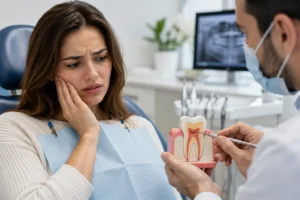
There are some similarities between your teeth and your bones. They are firm, have essential minerals, and are white against the adjoining tissues. There are many similarities, which often make people wonder: Are teeth considered bones?
The short answer is no; teeth are not bones, even though they are both calcium- and phosphate-rich and hard.
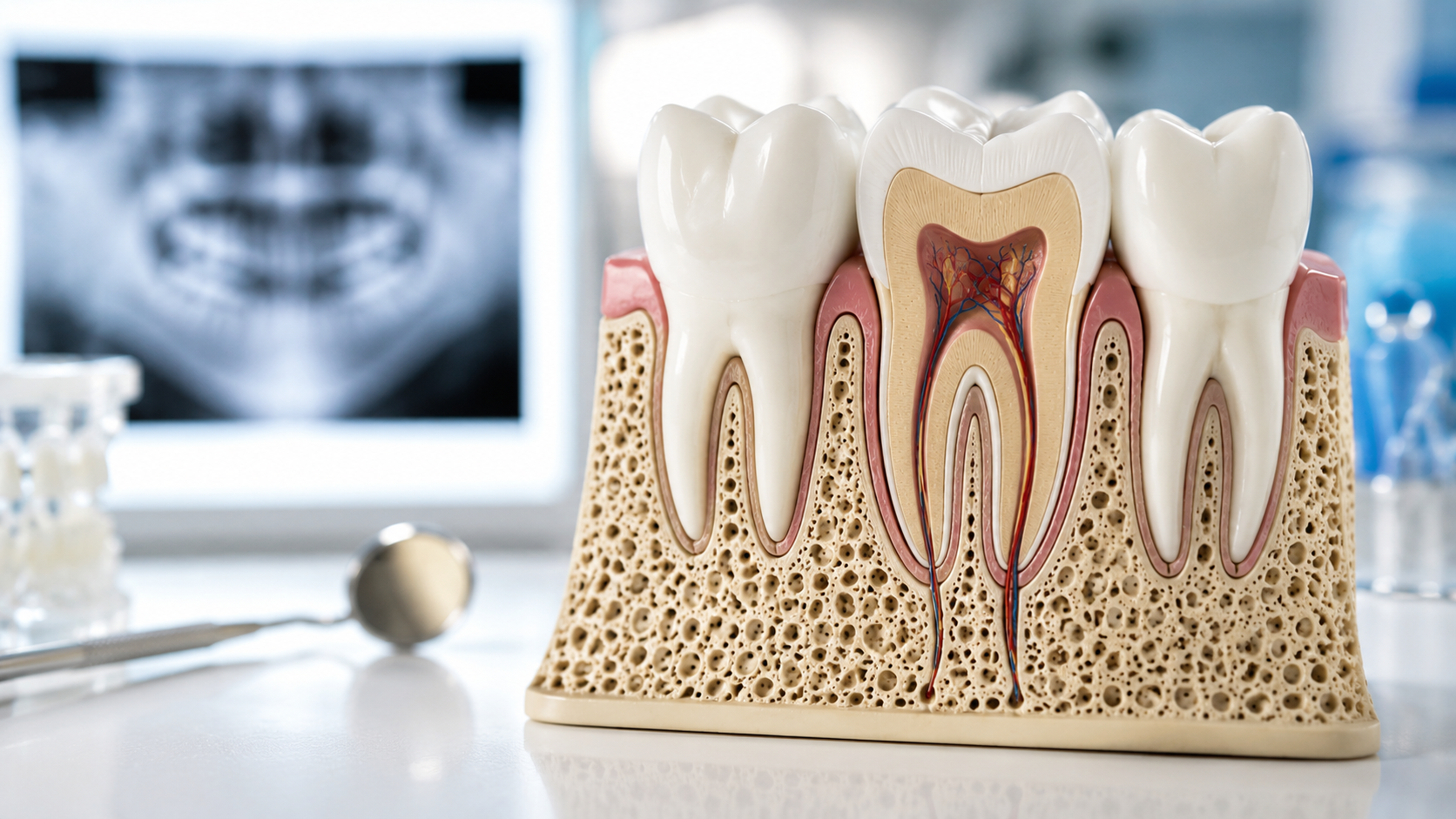
Teeth have a unique structure comprising enamel, dentin, cementum, and dental pulp. Bones, however, are living skeletal tissues that change, repair, and rebuild themselves continuously.
When it comes to teeth and bones, it’s important to know the difference to understand how to know when teeth need professional dental care. Preventative care, periodic check-ups, and tailored dentistry are all ways we at Daily Smiles can help patients keep their natural teeth.
What Are Teeth Considered?
If teeth are not bones, what are teeth considered?
Teeth are organs with hard and soft tissues specially designed to perform chewing. They are not part of the skeletal system, but are closely associated with the jawbone.
The main functions of your teeth are to:
- Bite and chew food
- Supporting clear speech
- Maintaining facial structure
- Aids to start digestion
- Maintain a healthy, happy, and confident smile.
The teeth are held in place in the jaw by connective tissue called periodontal ligaments. These ligaments aid in holding the tooth in place, and they are able to absorb some of the pressure generated during biting and chewing.
The teeth are supported by bone, but the tooth itself is not bone.
What Are Teeth Made Of?
There are four basic structures of a tooth. Each of these structures has a distinct function in maintaining the strength, stability, and function of the tooth.
Enamel
The hard outer part (above the gum line) of the tooth is called Enamel.
Helps to shield the inner tooth from pressure, bacteria, temperature, and the wear and tear of the day. Enamel is very mineralized and is the hardest substance in the human body.
But enamel is not living and cannot regenerate itself if it is permanently damaged.
Dentin
Dentin is an area directly under the enamel that forms the bulk of the tooth.
It is not as hard as enamel, but sufficiently hard to hold up the tooth. Dentin has very small channels which are joined to the nerves inside the tooth. Once enamel thins or cracks, heat, cold, sweets, and pressure can pass through these holes and lead to tooth sensitivity.
Cementum
Cementum is a hard, bonelike tissue that covers the root surface of the tooth.
It helps hold the root in the periodontal ligament that holds the tooth to the surrounding jawbone. While cementum has some of the same properties as bone, it is not a bone.
Dental Pulp
The dental pulp is living tissue in the middle of a tooth.
It contains:
- Nerves
- Blood vessels
- Connective tissue
- Cells that promote dentin formation
When damage or disease affects the dental pulp, the tooth can become painful or infected. In these cases, a root canal treatment may be required to save the tooth.
Why Are Teeth Not Considered Bones?
The human question “why don’t teeth count as bones, since they are both made of calcium?”: Teeth are not bones because although they are both made of calcium, teeth have different structures.
The primary reason is that teeth and bones differ structurally, functionally, and in terms of their healing capacity.
Teeth Cannot Heal Like Bones.
Osteocytes in bones continually break down old bone tissue and form new bone tissue. This process is known as remodeling.
If a bone breaks, new bone can form to heal the break. The bone is involved in the healing process, but it will need to be stabilized by a dentist or physician.
The teeth, however, are incapable of doing the same.
Remineralization, fluoride, saliva, and oral hygiene may sometimes strengthen early enamel weakening. Once a cavity forms or a piece of tooth material separates from the rest, however, the lost material is not likely to regenerate itself.
A dentist will have to fix the damage with a proper treatment, which may include:
- A dental filling
- A crown
- Dental bonding
- An inlay or onlay
- Root canal treatment
Teeth and Bones Have Different Structures
The main components of bones are collagen, minerals, living cells, blood vessels, and bone marrow. They have a structure within them that keeps them strong yet flexible.
The tooth consists of the enamel, dentin, cementum, and pulp. There are no collagen fibers or living cells in enamel, and they are not capable of continuous self-repair.
One of the most obvious responses to the question “Are teeth a bone or not? is this structural difference.
A tooth is not bone. It is an independent mineralized organ consisting of special tissues.
Bones Contain Marrow
Bone marrow is found in many bones and is responsible for the production of blood cells.
Bone marrow is not found in teeth. The nerves and blood vessels inside the tooth are located in a soft center called the dental pulp.
Teeth and Bones Serve Different Purposes
The body’s structural framework is provided by bones. They provide support for movement, they protect organs, they store minerals, and they are the place to which muscles attach.
The teeth are primarily used for cutting, tearing, crushing, and grinding food. They assist with speech and restore the natural facial appearance as well.
Are Teeth Bones Because They Contain Calcium?
Teeth are not bones, but that’s not easy to understand.
Both teeth and bones contain calcium and phosphate. Both of these minerals contribute to their strength and hardness. Some minerals are the same, but others are not.
Calcium is also needed for muscle action, nerve communication, and blood clotting, for instance. It doesn’t always determine the classification of a tissue or organ.
Both teeth and bones are mineralized, but they differ in a number of respects in their biological structure and healing capacity.
Teeth vs. Bone: What Are the Main Differences?
Here is a simple teeth vs. bone comparison:
| Feature | Teeth | Bones |
| Primary Function | Bite, chew, and help with speech | Support the body, protect organs, and enable movement |
| Main Composition | Enamel, dentin, cementum, and dental pulp | Collagen, minerals, living bone cells, and bone marrow |
| Ability to Heal | Cannot fully regenerate after cavities, cracks, or fractures | Can remodel and repair themselves after injury |
| Outer Layer | Covered by enamel above the gumline | Covered by periosteum and compact bone |
| Living Tissue | Living tissue is mainly found in the dental pulp | Living cells and blood vessels are present throughout bone tissue |
| Bone Marrow | Does not contain bone marrow | Many bones contain bone marrow |
| Hardness | Enamel is the hardest substance in the human body | Strong but softer and more flexible than enamel |
| System Classification | Specialized organs associated with the digestive system | Part of the skeletal system |
| Connection to the Body | Anchored to the jawbone by periodontal ligaments | Connected to other bones through joints and connective tissues |
Are Teeth Stronger Than Bones?
Tooth enamel is harder than bone, and it is very resistant to the pressure created by biting and chewing.
There are also times, however, when harder is not necessarily less vulnerable.
Oral bacteria can gradually eat away the enamel due to the acids it creates when it comes into contact with sugars and carbohydrates. Other factors that can lead to enamel erosion or damage include acidic foods or drinks, dry mouth, grinding the teeth, and faulty brushing.
Enamel has no ability to heal if a cavity or fracture has formed. Although teeth are very strong, that’s why preventive dental care is essential.
What Happens When a Tooth Is Damaged?
A broken bone can heal up, but a broken tooth will need dental intervention.
If there are areas with weak enamel, these can be strengthened with fluoride and good oral care before the cavity appears. However, when decay has created an opening in the tooth, the damaged area will need to be removed and replaced.
If left untreated, decay will progress from the enamel through the dentin into the dental pulp. This may lead to:
- Persistent toothache
- Sensitivity to hot or cold temperatures
- Pain when biting
- Swelling around the tooth
- Dental infection
- Tooth loss
Early treatment by your dentist can help to save more of the natural tooth and help avoid the need for more involved treatment.
How to Protect Your Teeth
Teeth don’t heal like bones, so it’s especially crucial to protect them every day.
Brush Twice Daily
Brush your teeth two times a day with fluoride toothpaste and a soft-bristle toothbrush. Brush all sides of the tooth, but do not put too much pressure.
Floss Every Day
Flossing can reach between your teeth and around the gum line to get rid of food particles and plaque that your toothbrush can’t.
Limit Sugary and Acidic Foods
Eating sugary or acidic foods means that your enamel is being attacked for longer.
Avoid giving soft drinks, sticky sweets, and frequent snacking. After eating, consumers can also rinse the mouth out with drinking water to remove food particles and acids from the mouth.
Do Not Ignore Tooth Sensitivity
Enamel erosion, gum recession, decay, damaged filling, or a cracked tooth can cause sensitivity. A dental examination can help determine the cause before it gets worse.
Schedule Regular Dental Visits
Regular oral check-ups and cleanings from your dentist can identify any cavities, gum issues, eroded enamel, and other issues early on.
Preventive visits are important, especially if the dental damage doesn’t always cause pain.
When Should You Visit a Dentist?
If you have these symptoms, make a dental appointment:
- Persistent pain that fails to get better.
- A cracked, chipped, or broken tooth
- Sensitivity that continues or worsens
- Inflamed area around the tooth/gums
- Gums that bleed or are swollen.
- An opening or an area of darkness in the front of the tooth that can be seen.
- Pain when biting or chewing
- A permanent tooth that is loose but has not fallen out.
These symptoms can be due to decay and infection or gum disease, as well as dental trauma. Identifying the problem early can make the treatment easier and maintain your natural smile.
Final Thoughts: Are Teeth Considered Bones?
So, are teeth considered bones? No, teeth are specialized organs made up of enamel, dentin, cementum, and dental pulp. Teeth and bones are both hard and mineralized, but they differ in composition, function, and their healing potential.
Bone is a remodelling and repair tissue; teeth repair and remodel very little. When a cavity, crack, or fracture does occur, it is typically required to seek professional dental care.
To maintain healthy teeth and enamel, you must practice good oral hygiene at home by brushing, flossing, eating healthy foods, and visiting the dentist regularly.
At Daily Smiles, we offer individualized preventive and restorative treatment to help our patients keep their smiles strong, comfortable, and confident. Call Daily Smiles and get an appointment to check on your oral condition and get advice based on your mouth’s specific condition.